
Biomechanical Foot Assessment in Watford
Biomechanical Foot Assessment
Our expert podiatrists are here to help. Read more about the treatment details.
Price: £200
Book Now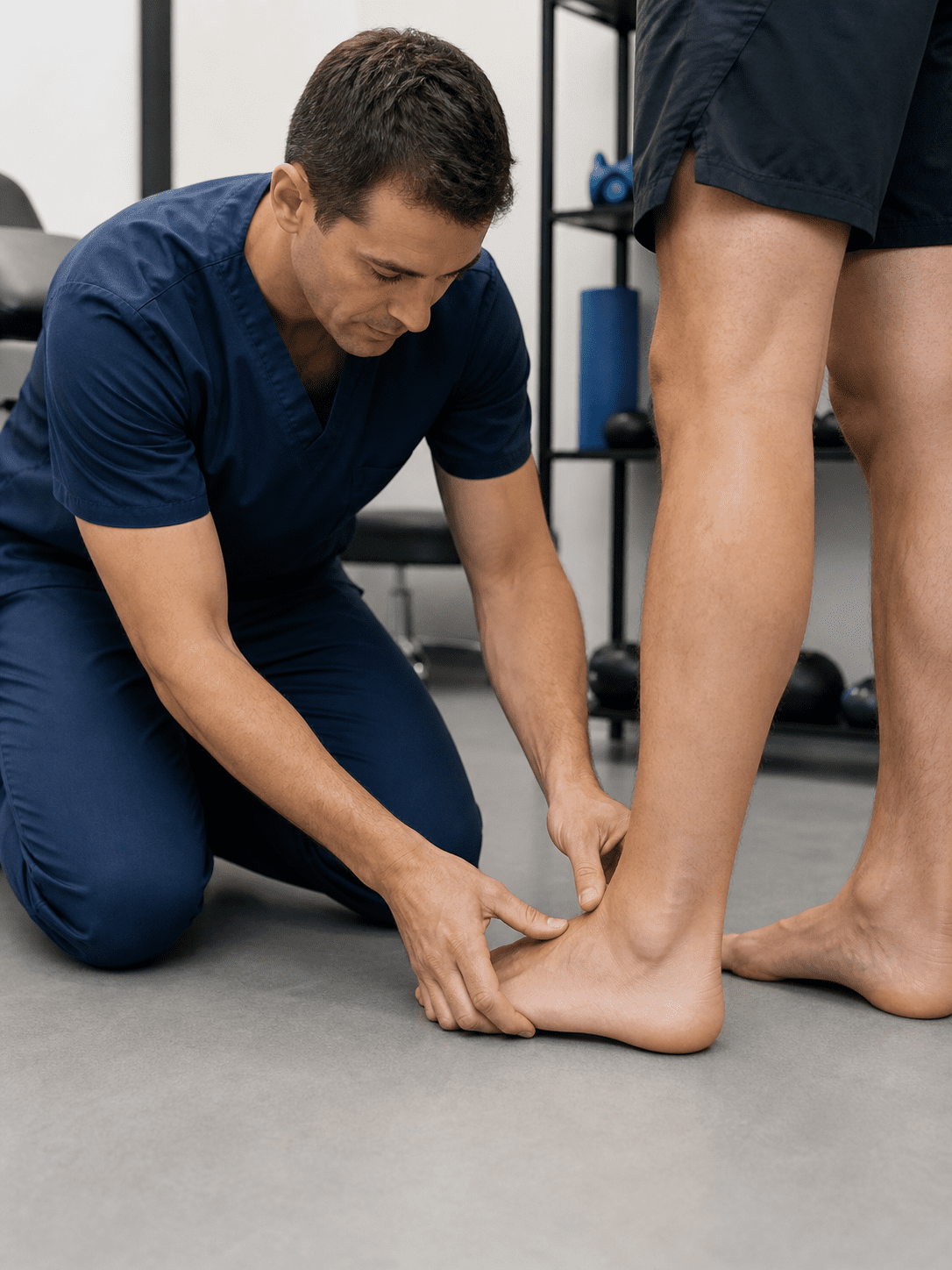

Biomechanical Foot Assessment
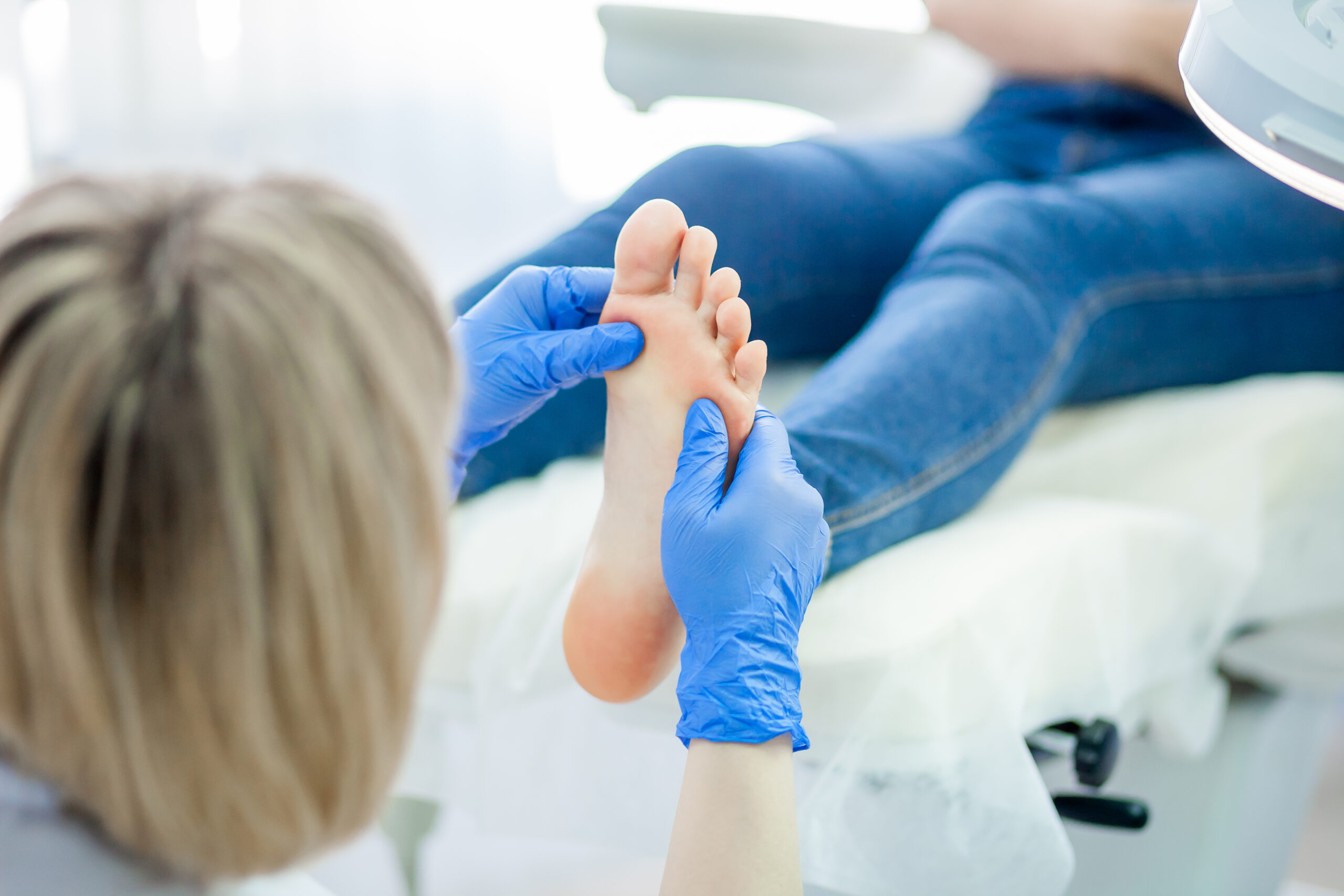
A biomechanical foot assessment is an evaluation performed by a podiatrist to analyze the structure, function, and movement of the feet and lower limbs. The goal is to identify abnormal mechanics that may contribute to pain, injury, or long-term musculoskeletal problems.
🦶 Purpose of Biomechanical Foot Assessment
• Identify abnormal foot posture (flat feet, high arches, pronation, supination).
• Detect gait abnormalities (how you walk or run).
• Evaluate the range of motion of joints (ankle, subtalar, toes).
• Assess muscle strength and flexibility affecting the lower limb.
• Plan orthotics, footwear recommendations, or rehabilitation.
🔹 Components of Assessment
1. Patient History
• Presenting complaint: pain, discomfort, or recurrent injury.
• Past injuries or surgeries.
• Activity level and footwear habits.
• Medical history (diabetes, arthritis, neuropathy).
2. Observation
• Foot posture: pes planus (flatfoot) vs pes cavus (high arch).
• Alignment of knees, ankles, and hips.
• Skin changes, calluses, or deformities.
• Weight-bearing vs non-weight-bearing posture.
3. Palpation
• Check for tenderness in bones, joints, or soft tissues.
• Identify areas of inflammation or swelling.
4. Range of Motion (ROM)
• Ankle dorsiflexion and plantarflexion.
• Subtalar joint inversion/eversion.
• First metatarsophalangeal (big toe) joint mobility.
• Toe flexion and extension.
5. Gait Analysis
• Observe walking barefoot and with shoes.
• Assess pronation/supination patterns.
• Identify abnormal loading or asymmetry.
6. Functional Tests
• Single-leg balance, heel-to-toe walking, squats.
• Strength testing of intrinsic foot muscles and lower limb.
• Assessment of flexibility in calf muscles and Achilles tendon.
________________________________________
🔹 Outcome
• Diagnosis of foot and lower limb dysfunction.
• Recommendations for:
o Orthotics (custom mulded insoles)
o Footwear modification
o Exercise programs (strengthening, stretching)
o Referral for further treatment if needed (physiotherapy, surgery).
________________________________________
💡 Key Point: A biomechanical assessment is preventive as well as therapeutic—it helps reduce pain, prevent injury, and improve walking/running efficiency.